

- What Are Customized Surgical Instrument Sets?
- How to Customize Surgical Instrument Sets For Hospitals
- How to Check Surgical Instrument Set Completeness and Matching
- Preparing a Custom Surgical Instrument Set Requirement Sheet
- Final Approval and Paperwork Prior to Ordering Custom Sets
- Technical Specification
- How Manufacturers Assist with Surgery Tool Set Personalization
- Why Choose Surgifact for Customized Surgical Instrument Sets?
- Conclusion
Hospitals use different approved procedures within each department, and they operate on changing each room's protocols from time to time. Surgical instrument sets can be customized in terms of the types, and number of instruments, as well as technical features, size, and dimensions. If the hospital provides specific requirements, the manufacturer can understand their needs better and can provide customized surgical instrument sets.
What Are Customized Surgical Instrument Sets?
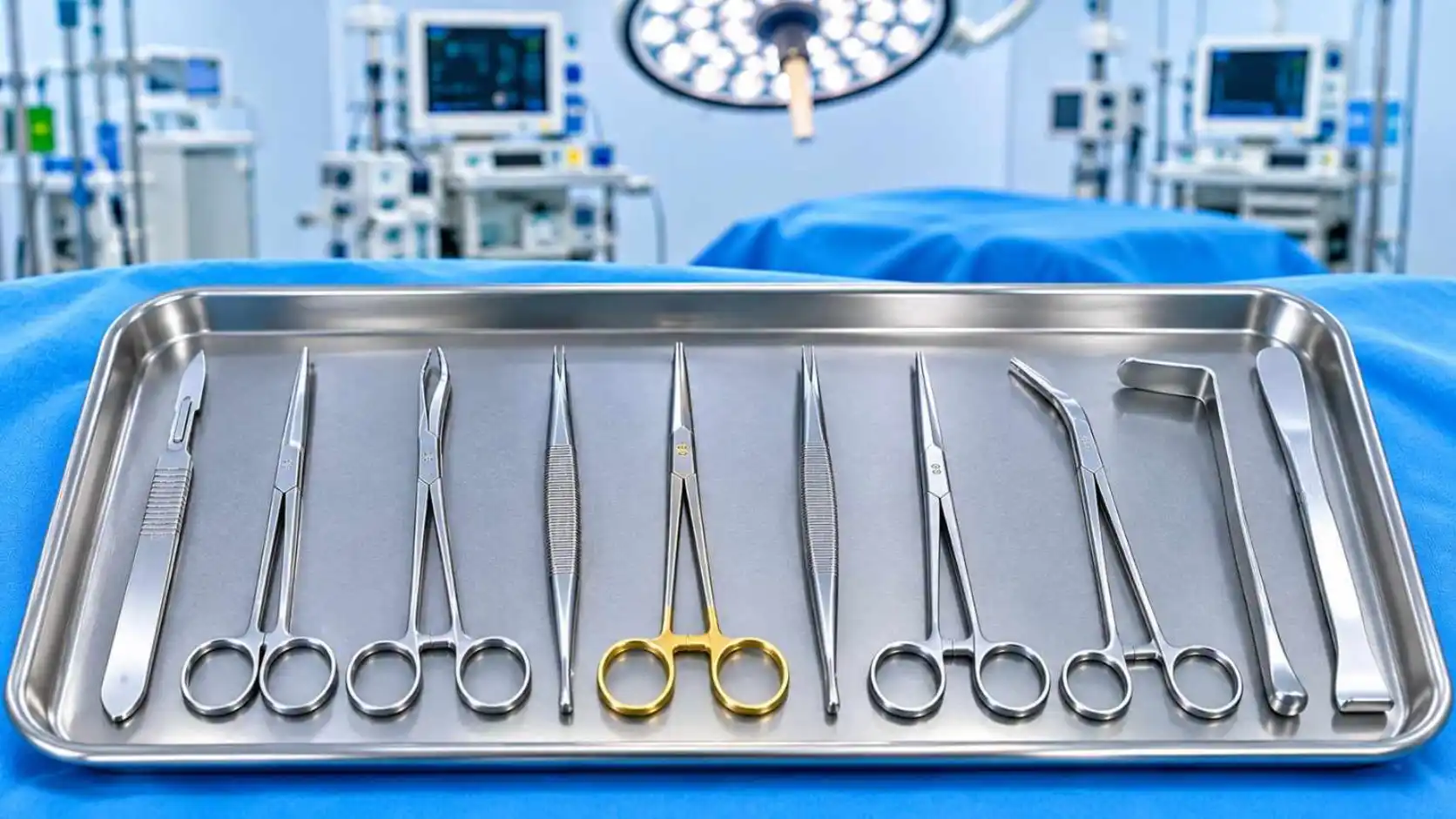
Customized surgical instrument sets is a set of surgical instruments custom assembled according to the specific needs of the hospital. Standard instruments sets include available standard pre-assembled sets that hospital users can choose. Custom surgical instrument sets include an element of customizable choices where hospital users can specify the kinds of instruments and set out the details.
How to Customize Surgical Instrument Sets For Hospitals
The process begins with procedure identification and concludes with tray planning. Each of these stages enables the purchasing team to clearly specify needs and create the best configuration.
Identify Surgical Procedures and Department Requirements
First, determine which operations require instrument sets for the hospital. Buyers can go to the surgeons, OT manager and department representatives to get an idea. Based on their current instrument inventories, hospitals might assemble a list for each approved procedure and surgical discipline (general surgery, orthopaedics, gynaecology, cardiovascular surgery etc.). This data provides you with a simple guide for the manufacture of your hospital surgical instrument sets, without having to resort to a standard instrument list that may not suit your requirements.
Select the Required Instruments and Quantities
To determine the procedural requirements: Have each hospital develop a checklist of surgical instrument sets. For each approved configuration, this could be:
- Scissors for cutting and dissection.
- Forceps for grasping and holding tissues.
- Retractors for maintaining surgical access.
- Clamps for holding or controlling structures.
- Needle holders for handling surgical needles.
The amount of each instrument should be determined based on procedure approval requirements, and the hospital inventory policies. Some configurations may need multiple quantities of common-use instruments, others may only need one. Never settle for a standard number in a custom surgical instrument sets. Confirm everything, for designation and quoting, before sending specifications to the manufacturing company.
Finalize Instrument Sizes and Technical Specifications
Once the list of tools is made, the hospitals have to prepare the technical requirements for each and every instrument. These technical surgical instrument specifications help manufacturers identify the type of devices you want. Important specifications may include:
- Dimensions: Overall length and working-end measurements.
- Working-end design: Tip shape, jaw design & working design.
- Handle Style: Grasp type, handle arrangement.
- Material: Stainless steel specified or grade as required.
- Identification: The instrument name, code or identification mark(s).
Clear specifications for customized surgical instrument sets eliminate confusion during quotation and manufacturing conversations. Provide photographs or catalogue numbers or prior samples for reference by the hospital whenever possible.
Plan Instrument Organization and Tray Requirements
The next consideration is how instruments can be grouped and laid out in the set. Your decisions may be influenced by factors such as:
- Tray size
- Capacity
- Identification needs
- Hospital's instrument grouping
If possible review that the trays material and dimension, and the compartments are suitable for the instruments. Make sure that the configuration is suitable for hospital validated cleaning, disinfection and sterilisation processes. A well thought out surgical instrument tray configuration can provide the purchasing team with the ability to provide storage and grouping guidance in the early stages of the final set approval.
How to Check Surgical Instrument Set Completeness and Matching
Prior to ordering, hospitals should check that the proposed surgical instrument set configuration of the instrument is on their preferred list, this will help you locate missing, un-required or mis-specified components. Procurement teams can follow these checks:
- Cross-reference: Every instrument to the hospital's authorized requirements sheet.
- Check quantities: Verify the number of each instrument against the approved quantity.
- Storage & handling: Check all specifications, measurements and work-end design, composition and identification mark.
- Compatibility: Check if instruments are compatible with the suggested trays and relevant equipment, where appropriate.
- Follow reprocessing instructions: Verify that any cleaning, disinfection and sterilization procedures are present.
The hospital should record the modification found during verification and get endorsement from relevant clinical or technical officials. A last surgical instrument set completeness check must be made before the configuration is put through to order.
Preparing a Custom Surgical Instrument Set Requirement Sheet
A uniform requirement sheet will facilitate communication between hospitals and suppliers. Instead of just providing a list of instrument names, it is better for purchase departments to send the specifications of each component. The hospital has additional optional information for inclusion in their surgical instrument requirements document:
- Special instructions and remarks.
- Department and intended procedure.
- Identification and marking requirements.
- Required tray dimensions and configuration.
- Applicable technical and quality documentation.
- Instrument catalogue numbers or reference images.
A full requirement sheet encourages more accurate quotations and a more properly ordered hospital instrument procurement.
Final Approval and Paperwork Prior to Ordering Custom Sets
After the practice mockup is ready, it should be circulated to the appropriate hospital delegates, and the processes checked. Surgeons can check the procedure requirements, OT managers can check the OT requirements, and the sterile services team can check tray and reprocessing requirements. The purchasing team then needs to liaise with the supplier to confirm the final specification. Before approving the order, hospitals should ensure that:
- Tray requirements are documented.
- Approved revisions are incorporated.
- It sets the instrument list and amount.
- Acceptance and inspection demand agreed upon.
- Dimensions and materials specifications verified.
- Related product and reprocessing documentation.
Recording this information ensures there is a concrete record of the approved requirements for surgical instrument set customization and minimizes the potential for confusions with order processing.
Technical Specification
The following table talks about the technical specification of surgical instrument sets.
| Category | Options |
|---|---|
| Price Range | Below ₹400 / ₹401–₹1,000 / ₹1,001–₹4,000 / Above ₹4,001 |
| Business Credentials | GST Registered 3+ Years |
| Instrument Type | Forceps / Scissors / Needle Holder / Retractor / Scalpel Handle / Clamp / Elevator |
| Application | General Surgery / Laparoscopy / Gynaecology / Orthopedic / ENT / Ophthalmic / Dental |
| Material | Stainless Steel / Titanium / Tungsten Carbide |
| Usage | Reusable / Disposable |
| Size | 5 Inch (12.5 cm) / 6 Inch (15 cm) / 7 Inch (17.5 cm) / 8 Inch (20 cm) / 10 Inch (25 cm) |
| Product Form | Instrument / Set / Kit |
| Business Type | Manufacturer / Supplier / Wholesaler / Dealer |
How Manufacturers Assist with Surgery Tool Set Personalization
Surgical instrument sets manufacturers like Surgifact help in customization by analyzing the needs of hospitals and suggesting suitable instrument arrangements. Their assistance include verifying models of instruments available, discussing dimensions and material options, clarifying limits of customization and providing quotations. They need to submit their own list of approved instruments and their technical specifications for verification.
Then the manufacturer will be able to verify the availability of the product and relevant documentation and possible configuration options. For purchasing surgical instrument sets manufacturers in India, institution buyers should clarify their needs and seek for the relevant product specifications at the time of purchase order.
Why Choose Surgifact for Customized Surgical Instrument Sets?
Surgifact offers a different variety of surgical and vascular instruments to fulfill all the institutional needs. Hospitals interested in customized surgical instrument sets can contact us by sharing their approved instrument list, quantity and technical specifications for the purpose of understanding a configuration of their choice. As one of the top surgical instrument sets suppliers, we can help buyers identify and seek product options, specifications and quotations.
Conclusion
| Surgical instrument sets include the determination of the requirements, selection of instruments, final specifications and approval. Good documented planning helps in proper configuration. Check out customized surgical instrument sets from Surgifact or send your requirements or contact for detailed information. |
Yes. Customized surgical instrument sets can be ordered from each hospital's approved clinical requirements with manufacturer availability.
Provide the name, size, number of items, used materials, use of reference image or tray in hospitals for surgical instrument set customization.
Hospitals should use approved lists of instruments, confirm quantities and carry out final checks with clinical and procurement teams.
Yes, existing sets can be modified to suit the instrument as long as the above factors are met:
- Patient safety
- Manufacturer approval
- Instrument compatibility
Instruments are predominantly manufactured from stainless steel. The grade selected is determined by the instrument design and its use.
Trustworthy manufacturers like Surgifact can assist hospitals in going over specifications, verifying configurations, and securing documentation for purchase decisions.