

- Why Do Design and Material Matter in Rectal Instruments?
- Key Design Features to Evaluate in Rectal Instruments
- Material Selection for Reusable Rectal Instruments
- How to Check the Quality of Rectal Instruments
- Technical Checklist Prior to Selecting Rectal Instruments
- Why Choose Surgifact for Rectal Instruments?
- Conclusion
Rectal instruments should be carefully specified and specified before purchase. Hospitals, surgical facilities and buyers should consider size & weight, ergonomic grip design, surface finishing and material specifications to review the functions of this item. Many rectal surgical instruments are manufactured to meet documented quality and care specification, and cleaning & reprocessing recommendations from the manufacturer. Rectal instruments specifications are laid out by its manufacturer and can help users compare durability, handling, corrosion resistance & longevity, and allow comparison of suppliers before bulk acquisition.
Why Do Design and Material Matter in Rectal Instruments?
Rectal instrument design and material selection can have a major impact on its durability, ease of handling and cleaning requirements. Good design will promote a consistent performance from the instrument, while good materials can provide resistance to corrosion when the instrument is reprocessed many times. Considerations in the rectal instruments quality of the surface finish and the construction of the joints will also have implications for ease of cleaning and mechanical performance.
Key Design Features to Evaluate in Rectal Instruments
Buyers of rectal surgical instruments should consider three key aspects of the design of the product, the first dimensions and shape then handle construction and surface finish are the next key aspects of the overall rectal instrument design of the product.
Instrument Dimensions and Shape
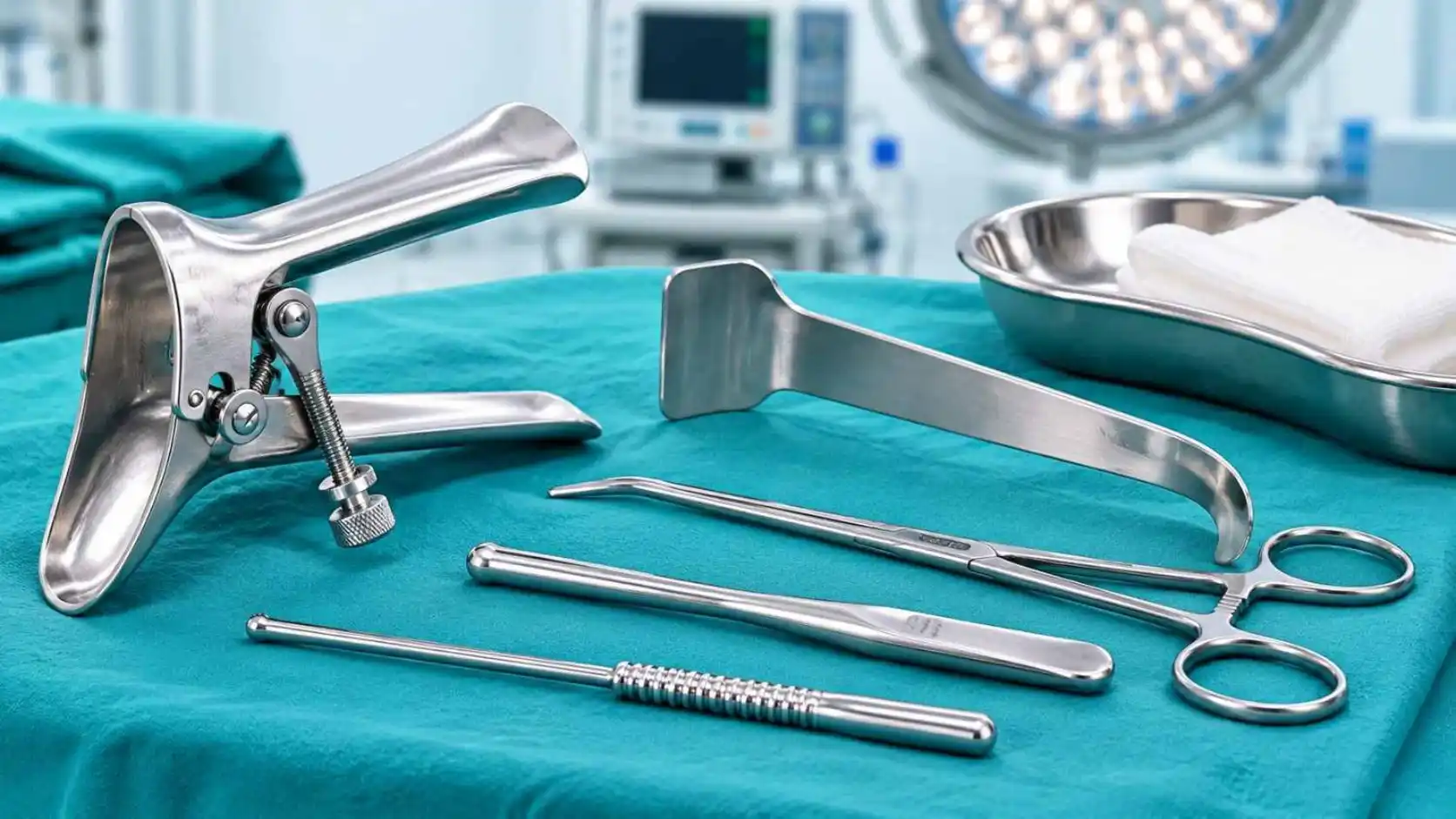
Rectal instruments dimensions need to be per the institution requirement. Buyer should check overall length, working end size, width, and shape before purchasing. E.g. rectal speculum opening size and shape should be as per the described design and retractor sizes must be per the desired requirements. Rectal speculum design and size comparison helps the buyer compare rectal speculum and avoid wrong purchases.
Handle Design and Grip Control
Handle construction is a core consideration of rectal instrument design. When selecting ergonomic surgical instruments, buy grip comfort, shape and 3-point contact, balance, and simple controlled handling must all be considered. Handle materials and joining techniques also need to be compatible with construction materials and reprocessing protocols. Clear specifications allow institutions to compare designs and quickly select instruments that fit their preferences for handling.
Surface Finish, Edges and Moving Parts
Surgical instrument surface finish should be specified as smooth, even, without unacceptable surface irregularities. Working edges should be held to the approved design, joints, hinges aligned. For instruments with moving parts, should specify acceptable range of motion or desired functional criteria. These specifications apply to rectal surgical instruments as they relate to cleanability, mechanical functionality and consistent workmanship. Buyers should specify documented acceptance criteria, not appearance.
Material Selection for Reusable Rectal Instruments
Getting it right with your choice of stainless steel rectal instruments need to be selected on the basis of the needs of being reused. Buyers need to verify corrosion resistance and construction and quality of instrument to be robust enough for planned cleaning procedures documented with the manufacturer.
Stainless Steel Grades and Corrosion Resistance
Stainless steel rectal instruments can be manufactured using a wide range of different stainless steel grades with different mechanical properties and levels of corrosion resistance. The grade used will depend on the design of the instrument, its intended use, and on the requirements for construction and reprocessing.
Do not assume all stainless steels are the same – check the declared grade. Surgical grade stainless steel is a general buying specification, not a replacement for a material grade designation. Buyer should order the appropriate grade and material specification with supporting documentation where necessary.
Material Compatibility with Cleaning and Sterilization
Reusable rectal instruments must be compatible with the cleaning, disinfection and sterilisation process outlined by the manufacturer. Surgical instrument material compatibility after reprocessing will be a result of stainless steel type, surface finish, instrument design and chemicals used.
The manufacturer like Surgifact should provide, and the institution should review, validate cleaning and sterilization instructions at the time of purchase. A hinged instrument, or one with other moving parts, could have specific cleaning and maintenance requirements.
Historic Fact: “Rectal instruments have a history dating back thousands of years. Ancient Indian surgeon Sushruta, who lived around 800–600 BCE, described surgical instruments in the Sushruta Samhita, including rectal specula made from materials such as iron, wood, horn and ivory. These early designs demonstrate the long history of instrument development in surgery.”
How to Check the Quality of Rectal Instruments
An evidence-based rectal instruments quality inspection can assist buyers to make the best decision for the rectal instruments before receipt. Key checks include:
- Surface condition: List surface faults (including cracking, pitting, discolouration, rust and other faults) which are not condition approved for the instrument.
- Corner Quality: Inspection is as follow-up to other edge quality inspections, to include edging of interior corners.
- Construction: Check that joints, hinges and attached parts seem to be well assembled and aligned.
- Mechanical movement: For removable parts, moveable parts on non-removable parts where possible, to evaluate their movement and whether they are working in line with the manufacturer's expectations.
- Instrument: Be sure the dimension and configuration of the instrument supplied compares with purchase order or approved product specification.
- Material identification: Confirm on labels of products, supporting documents and declarations of compliance or specification against order requirements.
- Functional tests: Verify the instrument's compliance with the functional acceptance criteria of the specification by applying the test method as per the manufacturer's instructions.
For rectal surgical instruments, inspection records of product identification, inspection and acceptance/rejection reports are useful for maintaining traceability records for purchasing and quality teams and to show suppliers where the products were found to be non-conforming.
Technical Checklist Prior to Selecting Rectal Instruments
Distributors, hospital and institutional procurement staff can use the checklist below to compare rectal instruments suppliers and at this stage in the purchase process when ordering. It has identified requirements to be followed up and confirmed when the purchase order is placed and checked and verified for rectal instruments selection.
| Procurement factor | What buyers should verify |
|---|---|
| Intended use | Confirm the required instrument type and approved product configuration. |
| Dimensions | Specify overall length, working-end measurements, width and curvature where relevant. |
| Design and construction | Document handle design, joints, hinges, edges and moving-part requirements. |
| Material grade | Request the declared stainless steel grade and supporting documentation where applicable. |
| Surface finish | Define the required finish and acceptable surface condition. |
| Reprocessing instructions | Obtain manufacturer-provided cleaning, disinfection, sterilization and maintenance instructions. |
| Product identification | Confirm product name, model or catalogue number and batch or lot identification where applicable. |
| Quality documentation | Specify the inspection records, conformity documents or material certificates required for the order. |
| Supplier confirmation | Confirm availability, quantities, delivery schedule and the ability to meet the approved specifications. |
| Incoming inspection | Establish acceptance criteria for dimensions, surface condition, alignment and functional checks. |
Before the order is made make sure the quotation, purchase order and product documentation all detail the same instrument configuration. Any differences in size, material grade, construction or surgical instrument specifications should be clarified before the purchase is made from rectal instruments manufacturers like Surgifact.
Why Choose Surgifact for Rectal Instruments?
Surgifact manufactures a wide range of surgical instruments such as rectal speculum, retractor, biopsy forceps, etc. Hospitals, distributors and other institution buyers can just send us their demand for rectal instruments manufacturers in India and we shall get back to them as soon as possible.
Buyers may communicate with Surgifact prior to submitting an order to verify products availability, size, material specifications and large order requirements. Request any additional applicable product to verify the appropriate configuration of the instrument to meet the organization with rectal instruments manufacturers.
Conclusion
While selecting rectal instruments should take into account design, size, grade of material, surface finish and any stated quality specifications. Always check reprocessing instructions and suppliers before placing an order with the hospital or distributor.
Contact leading rectal instruments suppliers like Surgifact for more details of the rectal instruments range and for product specifications and bulk purchasing enquiries.
Available grades suitable for a range of instruments are usually selected based on the severity of corrosion resistance, mechanical properties and manufacturer specifications. Confirm the proclaimed grade prior to procurement.
Verify size, handle construction, working edge or point(s), finish, alignment and function of moving parts on the basis of specifications.
Examine surfaces for corrosion or deterioration, dimensions and check movement of joints and functional checks as specified by the manufacturer.
Provides a surgical instrument surface finish for cleanability, assists corrosion resistance and minimises unacceptable surface irregularities.
Verify material grades, sizes, construction details, reprocessing procedures, quality reports, product availability & delivery schedule.
Yes, Rectal instruments are among the product categories of Surgifact. However, you may go through the product availability and specifications and also make an inquiry.