

- What Are Vascular Instruments?
- Common Vascular Instruments and Their Roles
- What Is Included in a Vascular Instrument Set?
- Instruments Used in Endovascular Surgery
- How to Choose the Right Vascular Instruments
- Conclusion
Vascular surgery is delicate work performed on the blood vessels, which are in the arteries and veins and in the biggest blood vessel (aorta). Their working on blood vessels is delicate work requiring precision and delicacy, blood vessel surgeries use vascular instruments for all work on blood vessels including occlusion, cutting, dissecting and suturing.
At atraumatic vascular forceps and clamps to vascular scissors and needle holders, the operating room uses a wide range of surgical instruments and related supplies. By understanding the different kinds of vascular surgery instruments and how they function and choosing the right characteristics when purchasing tools, hospitals and medical instrument buyers can shop with confidence.
Take a look at the blog to know what is included in a vascular instrument kit, the list of instruments for endovascular surgery, and several factors to consider when choosing.
What Are Vascular Instruments?
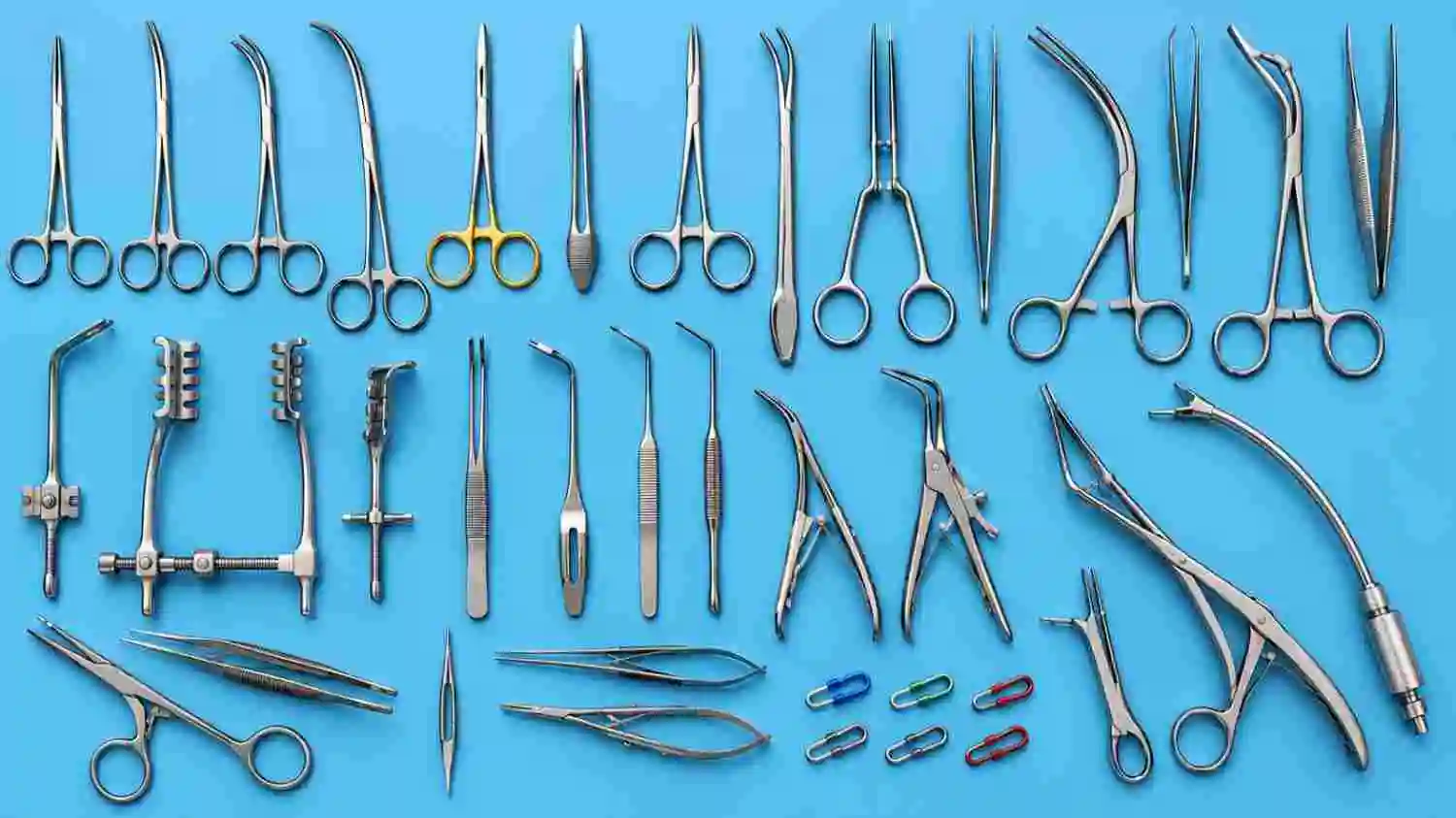
Vascular instruments are used in surgeries that may involve blood vessels. These instruments may be used to help the surgeon with exposing, clamping, dissecting, cutting, repairing and suturing vessels. Usually the tissues are delicate and not to be put to undue trauma. Vascular sets consisting of fine tipped instruments, handles with delicately shaped jaws and mechanisms, and atraumatic surfaces are available.
Common vascular surgery instruments include:
- Vascular forceps
- Vascular clamps
- Artery clamps
- Aortic clamps
- Vascular scissors
- Needle holders
- Retractors
- Vessel dilators
- Specialized vascular surgical devices
The particular instruments utilized will differ based on procedure, size of the vessel, where the vessel is, and the surgical technique.
Common Vascular Instruments and Their Roles
Common vascular instruments names you can use to cover various types of operations, therefore a moderate size list, and the vascular instruments are used for various reasons.
Vascular Forceps
Vascular forceps are used to manipulate, hold, clamp and secure blood vessels and the tissue around them. If direct handling of the vessels is necessary due to the application of pressure, e.g. dissecting forceps, then atraumatic forceps may sometimes be used as the fine tips and gripping surfaces can provide the surgeon with some degree of control whilst applying minimal trauma to the vasculature.
Common vascular forceps uses include:
- Handling blood vessels during dissection
- Positioning vessels during surgical procedures
- Manipulating tissue surrounding a vessel
- Holding delicate vascular structures
- Supporting precise vascular suturing
- Assisting with vessel preparation before repair
Surgifact provides different types of forceps that are available for a range of different procedures. Fine atraumatic forceps may be used for delicate vessels, but different types of forceps may be more appropriate to provide more control for larger and stronger tissues.
Vascular Clamps
Vascular clamps are used to temporarily occlude a blood vessel during a surgical operation. The surgeon can work on a specified part of a vessel while decreasing blood flow to the area. A series of vascular clamps in different sizes and configurations can be used for different types of vessels and procedures.
Important features of vascular clamps may include:
- Appropriate jaw design
- Controlled closing pressure
- Suitable size and length
- Secure vessel engagement
- Atraumatic contact surfaces
The first clamp required must be selected accurately so that the instrument is under control but at the same time does not compress the vessel.
Artery and Aortic Clamps
Artery clamps are surgical instruments employed to impede or occlude the flow of blood through arteries. These surgical instruments are used for surgical procedures on or around arteries in various arrangements.
Aortic clamps are applied to the aorta and large vessels. The aorta is significantly larger than most of the peripheral vessels, so an appropriate size and strength, with the right jaw pattern should be selected.
The choice of artery and aortic clamps are made according to the operation, anatomy, vessel size and the surgeon's preference.
Vascular Scissors and Needle Holders
They used to control cutting, separation, and preparation of vessels and other tissues. The blanks are then made by these blades with the steel's properties and their pointedness whenever the surgeons require precision, are able to bring out a finer product. The blades are used for the preparation of vessels, dissection and trimming in the repair of vessels. Needle holders are used for holding the surgical needle while suturing the blood vessels. They help the surgeons in gripping the needle tightly and directing it into the vessel in order to suture them.
Vascular knives and needle holders are some of the most significant vascular surgery instruments from Surgifact throughout the vessel dissection and vessel reconstruction.
What Is Included in a Vascular Instrument Set?
A vascular instrument set is a set of instruments assembled to use in vascular surgery. Contents may vary widely depending on the exact surgical procedure for which it is used, surgeon preference, hospital requirement etc. There is no one set configuration to fit all sets of vascular instruments. A set for use in peripheral vascular surgery may be entirely different to one for use in major aortic cases.
When purchasing or building a set from Surgifact, healthcare facilities should always think about the type of processes that the set will be used for and ensure that you have the correct tool on it.
Instruments Used in Endovascular Surgery
In endovascular surgery, the procedure is performed internally within the blood vessel. Endovascular surgery differs from open surgical instruments in that it uses catheter-based surgical tools along with other vascular surgical instruments.
Typical endovascular surgery instruments are:
- Guidewires
- Introducer sheaths
- Catheters
- Balloon catheters
- Angiographic catheters
- Stent delivery systems
- Stent graft delivery systems
- Thrombectomy devices
- Embolic protection devices
Other procedure-specific vascular surgical devices:
The tools to be applied shall be also based on the particular procedure to be done and on the vasculature of the patient. The other major difference between open vascular instruments and endovascular devices is the gap between the types of devices. Open vascular surgery employs forceps, clamps, scissors, and needle holders externally on the vessel whereas endovascular surgery makes use of guidewires, catheters, balloons, stents, and delivery methods internally within the vessel.
How to Choose the Right Vascular Instruments
Selecting the most appropriate vascular instruments from a trustworthy source like Surgifact should consider what kind of instruments will be used for the pick, just as much as selecting the specific name of an instrument. The design and characteristics of the instrument should be suited to the algorithm, the vessel and the purpose of the vascular instrument set.
- Material: Select a surgical grade material that is suitable for the application, and sterilisation and cleaning methods.
- Size/Length: Choose a size and working length suitable for the procedure, vessel sizes and depth of area to be treated.
- Tip and Jaw Choice: Proper choice of tip or jaw geometry permits accurate handling of tissues and small vascular structures.
- Atraumatic qualities: Choose an instrument that is gentle in action, exerting light pressure, and is the least traumatic to vessels.
- Ergonomics: Look at how it's designed, the weight and balance, ease of use and comfort, especially when performing a longer procedure.
- Quality: As part of the process, you should consider the manufacturing quality, regulator, quality control and documentation of the product.
- Purpose: Select an instrument that is designed for the specific operation or task needed, rather than using a single instrument.
Conclusion
Vascular instruments are required for blood vessels as arteries, veins and other vessels. Vascular forceps facilitate delicate vessel handling, vascular clamps assist vascular control of blood flow during surgery, whilst scissors and needle holders are used during vessel preparation and suturing.
The blood vessels in which you are working, the type of procedure you are doing, the surgical technique that you prefer, and what you are going to use the tools for are all factors that influence the optimal set of vascular surgery instruments.
Regardless of whether you buy a single instrument or assemble a set, considerations like material, size, shape, atraumatic properties, ergonomics, quality and credibility of developers like Surgifact.
Common vascular instruments names are vascular clamps, forceps, scissors, needle holders, dilators, and vessel loops used during vascular procedures.
Vascular forceps provide controlled handling of vessels and delicate tissues while supporting precise manipulation during surgical procedures.
Vascular clamps temporarily occlude blood vessels, helping surgeons control blood flow during vascular procedures and vessel repair.
A vascular instrument set typically includes clamps, forceps, scissors, needle holders, dilators, and other instruments required for vascular procedures.
Endovascular surgery instruments involve a number of instruments including forceps, scissors, clamps and needle holders to get access to the blood vessel.
Endovascular surgical devices can be mainly catheter devices and include guidewires, catheters, balloon catheters, stents, and stent delivery systems and other vascular surgical devices used for endovascular procedures.
Determined for the individual based upon the procedure, vessel size, location, surgical technique, and intended function. These comprise of the vascular instruments size, length, material, tip and jaw design, atraumatic nature, ergonomics, quality, sterilization process and has to be suitable for the concerned process.
Surgifact offers vascular surgical instruments designed to support precise vessel handling, clamping, cutting, and other vascular procedures.